Home

About Us


Financial markets are undergoing an unprecedented transformation. Technological advances have brought major improvements to the operations of financial services, making them quicker, cheaper, and easier to access. Payment systems have become faster, investment advice is now offered algorithmically, and many borrowing/lending platforms are offering cheaper financing options than banks and credit card companies. Artificial intelligence (AI) techniques are having a profound impact on the design and efficiency of financial services, ranging from credit assessment to strategic forecasting, market governance, and regulation. 

Now more than ever, we need to understand the potential of these technologies, integrate AI algorithms into customizable financial products and services, and assess the security mechanisms, and the economic implications of this transformation. The Center for Digital Finance and Technologies has been created with this purpose in mind, and through its various teaching, research, and outreach initiatives it aims to change the way academic institutions, regulators, and the private sector think. The Center leverages multi-disciplinary expertise at Columbia in diverse domains such as computer science, engineering, data science, finance, and economics, to answer these fundamental questions.

If you would like to receive updates about the Center's activities, please sign up here. You can unsubscribe from the list at any time.

CDFT Newsletter

November 2025

November 2025 Research Newsletter | Center for Digital Finance and Technologies
͏ ‌   ͏ ‌   ͏ ‌   ͏ ‌   ͏ ‌   ͏ ‌   ͏ ‌   ͏ ‌   ͏ ‌   ͏ ‌   ͏ ‌   ͏ ‌   ͏ ‌   ͏ ‌   ͏ ‌   ͏ ‌   ͏ ‌   ͏ ‌   ͏ ‌   ͏ ‌   ͏ ‌   ͏ ‌   ͏ ‌   ͏ ‌   ͏ ‌   ͏ ‌   ͏ ‌   ͏ ‌   ͏ ‌   ͏ ‌   ͏ ‌   ͏ ‌   ͏ ‌   ͏ ‌   ͏ ‌   ͏ ‌   ͏ ‌   ͏ ‌   ͏ ‌   ͏ ‌   ͏ ‌   ͏ ‌   ͏ ‌   ͏ ‌   ͏ ‌   ͏ ‌   ͏ ‌   ͏ ‌   ͏ ‌   ͏ ‌   ͏ ‌   ͏ ‌   ͏ ‌   ͏ ‌   ͏ ‌   ͏ ‌   ͏ ‌   ͏ ‌   ͏ ‌   ͏ ‌   ͏ ‌   ͏ ‌   ͏ ‌   ͏ ‌   ͏ ‌   ͏ ‌   ͏ ‌   ͏ ‌   ͏ ‌   ͏ ‌   ͏ ‌   ͏ ‌   ͏ ‌   ͏ ‌   ͏ ‌   ͏ ‌   ͏ ‌   ͏ ‌   ͏ ‌   ͏ ‌   ͏ ‌   ͏ ‌   ͏ ‌   ͏ ‌   ͏ ‌   ͏ ‌   ͏ ‌   ͏ ‌   ͏ ‌   ͏ ‌   ͏ ‌   ͏ ‌   ͏ ‌   ͏ ‌   ͏ ‌   ͏ ‌   ͏ ‌   ͏ ‌   ͏ ‌   ͏ ‌   ͏ ‌   ͏ ‌   ͏ ‌   ͏ ‌   ͏ ‌   ͏ ‌   ͏ ‌   ͏ ‌   ͏ ‌   ͏ ‌   ͏ ‌   ͏ ‌   ͏ ‌   ͏ ‌   ͏ ‌   ͏ ‌   ͏ ‌   ͏ ‌   ͏ ‌   ͏ ‌   ͏ ‌   ͏ ‌   ͏ ‌   ͏ ‌   ͏ ‌   ͏ ‌   ͏ ‌   ͏ ‌   ͏ ‌   ͏ ‌   ͏ ‌   ͏ ‌   ͏ ‌   ͏ ‌   ͏ ‌   ͏ ‌   ͏ ‌   ͏ ‌   ͏ ‌   ͏ ‌   ͏ ‌   ͏ ‌   ͏ ‌   ͏ ‌   ͏ ‌   ͏ ‌   ͏ ‌   ͏ ‌   ͏ ‌   ͏ ‌   ͏ ‌   ͏ ‌   ͏ ‌   ͏ ‌   ͏ ‌   ͏ ‌   ͏ ‌   ͏ ‌   ͏ ‌   ͏ ‌   ͏ ‌   ͏ ‌   ͏ ‌   ͏ ‌   ͏ ‌   ͏ ‌   ͏ ‌   ͏ ‌   ͏ ‌   ͏ ‌   ͏ ‌   ͏ ‌   ͏ ‌   ͏ ‌   ͏ ‌   ͏ ‌   ͏ ‌   ͏ ‌   ͏ ‌   ͏ ‌   ͏ ‌   ͏ ‌   ͏ ‌   ͏ ‌   ͏ ‌   ͏ ‌   ͏ ‌   ͏ ‌   ͏ ‌   ͏ ‌   ͏ ‌   ͏ ‌   ͏ ‌   ͏ ‌   ͏ ‌   ͏ ‌   ͏ ‌   ͏ ‌   ͏ ‌   ͏ ‌   ͏ ‌   ͏ ‌   ͏ ‌   ͏ ‌   ͏ ‌   ͏ ‌   ͏ ‌   ͏ ‌   ͏ ‌   ͏ ‌   ͏ ‌   ͏ ‌   ͏ ‌   ͏ ‌   ͏ ‌   ͏ ‌   ͏ ‌   ͏ ‌   ͏ ‌   ͏ ‌   ͏ ‌   ͏ ‌   ͏ ‌   ͏ ‌   ͏ ‌   ͏ ‌   ͏ ‌   ͏ ‌   ͏ ‌   ͏ ‌   ͏ ‌   ͏ ‌   ͏ ‌   ͏ ‌   ͏ ‌   ͏ ‌   ͏ ‌   ͏ ‌   ͏ ‌   ͏ ‌   ͏ ‌   ͏ ‌   ͏ ‌   ͏ ‌   ͏ ‌   ͏ ‌   ͏ ‌   ͏ ‌   ͏ ‌   ͏ ‌   ͏ ‌   ͏ ‌   ͏ ‌   ͏ ‌   ͏ ‌   ͏ ‌   ͏ ‌   ͏ ‌   ͏ ‌   ͏ ‌   ͏ ‌   ͏ ‌   ͏ ‌   ͏ ‌   ͏ ‌   ͏ ‌   ͏ ‌   ͏ ‌   ͏ ‌   ͏ ‌   ͏ ‌   ͏ ‌   ͏ ‌   ͏ ‌   ͏ ‌   ͏ ‌   ͏ ‌   ͏ ‌   ͏ ‌   ͏ ‌   ͏ ‌   ͏ ‌   ͏ ‌   ͏ ‌   ͏ ‌   ͏ ‌   ͏ ‌   ͏ ‌   ͏ ‌   ͏ ‌   ͏ ‌   ͏ ‌   ͏ ‌   ͏ ‌   ͏ ‌   ͏ ‌   ͏ ‌   ͏ ‌   ͏ ‌   ͏ ‌   ͏ ‌   ͏ ‌   ͏ ‌   ͏ ‌   ͏ ‌   ͏ ‌   ͏ ‌   ͏ ‌   ͏ ‌   ͏ ‌   ͏ ‌   ͏ ‌   ͏ ‌   ͏ ‌   ͏ ‌   ͏ ‌   ͏ ‌   ͏ ‌   ͏ ‌   ͏ ‌  ­ ­ ­ ­ ­ ­ ­ ­ ­ ­ ­ ­ ­ ­ ­ ­ ­ ­ ­ ­ ­ ­ ­ ­ ­ ­ ­ ­ ­ ­ ­ ­ ­ ­ ­ ­ ­ ­ ­ ­ ­ ­ ­ ­ ­ ­ ­ ­ ­ ­ ­ ­ ­ ­ ­ ­ ­ ­ ­ ­ ­ ­ ­ ­ ­ ­ ­ ­ ­ ­ ­ ­ ­ ­ ­ ­ ­ ­ ­ ­ ­ ­ ­ ­ ­ ­ ­ ­ ­ ­ ­ ­ ­ ­ ­ ­ ­ ­ ­ ­ ­ ­ ­ ­ ­ ­ ­ ­ ­ ­ ­ ­ ­ ­ ­ ­ ­ ­ ­ ­ ­ ­ ­ ­ ­ ­ ­ ­ ­ ­ ­ ­ ­ ­ ­ ­ ­ ­ ­ ­ ­ ­ ­ ­ ­ ­ ­ ­ ­ ­ ­ ­ ­ ­ ­ ­ ­ ­ ­ ­ ­ ­ ­ ­ ­ ­ ­ ­ ­ ­ ­ ­ ­ ­ ­ ­ ­ ­ ­ ­ ­ ­ ­ ­ ­ ­ ­ ­ ­ ­ ­ ­ ­ ­ ­ ­ ­ ­ ­ ­ ­ ­ ­ ­ ­ ­ ­ ­ ­ ­ ­ ­ ­ ­ ­ ­ ­ ­ ­ ­ ­ ­ ­ ­ ­ ­ ­ ­ ­ ­ ­ ­ ­ ­ ­ ­ ­ ­ ­ ­ ­ ­ ­ ­ ­ ­ ­ ­ ­ ­ ­ ­ ­ ­ ­ ­ ­ ­ ­ ­ ­ ­ ­ ­ ­ ­ ­ ­ ­ ­ ­ ­ ­ ­ ­ ­ ­ ­ ­ ­ ­ ­

Center for Digital Finance and Technologies

November 2025 Research Newsletter

Decorative image


CBER Webinar

Integrating Bitcoin
with Decentralized Finance


On September 18, Professor Agostino Capponi moderated a CDFT-sponsored webinar featuring Professor David Tse on integrating Bitcoin with the DeFi ecosystem, where he described a vision for bringing Bitcoin into the heart of decentralized finance without violating the principles of Nakamoto consensus. While Bitcoin holds a large share of the market cap of cryptoassets, most DeFi activity and programmable innovation live on other chains like Ethereum and Solana. Bridging that gap has mostly relied on custodial “wrapped” assets, re-introducing third-party trust, precisely what Bitcoin was designed to avoid.

Professor Tse’s team proposes a trustless Bitcoin vault, a primitive that locks BTC on the Bitcoin chain and lets it conditionally move (or be seized) based purely on cryptographic proofs, not institutions. He illustrated the idea through their live protocol for Bitcoin staking: BTC holders lock coins in a Bitcoin vault that has two exits: an orderly “unstake” after a delay, or a “slashing” path if the staker misbehaves while validating a proof-of-stake chain. The technical heart is a clever signature design that reveals the staker’s spending key only if they double-sign conflicting blocks. A watchtower can detect the offense, reconstruct the secret, and trigger slashing on Bitcoin itself.

This allows for dormant BTC to be productive in DeFi while preserving self-custody and minimizing trust. David noted their protocol (built at Babylon) is already securing other networks with billions of dollars’ worth of staked BTC, an order of magnitude beyond long-running Bitcoin-native efforts like Lightning by Total Value Locked (TVL). The Q&A surfaced incentives: yield for stakers comes from the secured chain (inflation and fees), and while yields may trail native proof-of-stake returns, many Bitcoiners value keeping BTC exposure over swapping into another cryptoasset.

Crafting the Cryptoeconomy Conference


On October 16 and 17, the CDFT hosted the Crafting the Cryptoeconomy conference that brought together a diverse group of academic researchers and industry leaders in DeFi. The keynote speech was delivered by Professor Darrell Duffie of Stanford GSB, who talked about the impact of stablecoins on the broader financial system and illustrated how smart contracts can resolve frictions involving intermediaries in traditional financial markets. Invited speakers from the DeFi industry included representatives from Avalanche, Anza Labs, Base, Ethereum Foundation, Uniswap, Morpho, and others. Research presentations covered a wide range of topics, from Layer 2 blockchains to dynamic fees in decentralized exchanges.


Professor Ruizhe Jia explains the Hyperliquid protocol in detail.


From Whiteboard to Mainnet

Proposer-Builder Separation


Episode 3 of From Whiteboard to Mainnet gathered Professors Agostino Capponi (Columbia) and Ruizhe Jia (Stanford) with Ethereum Foundation researchers Julian Ma and Thomas Thiery to dissect proposer-builder separation (PBS) – one of Ethereum’s most consequential evolutions, MEV, and the rise of specialized block builders. As DeFi activity exploded, harvesting maximum extractable value (MEV) became a full-time, infrastructure-heavy job. Not all validators, who can range from solo stakers to institutions, are equipped for this task. PBS thus splits responsibilities so specialized builders construct profit-maximizing blocks, while validators (proposers) simply pick the highest bid, receiving payment without needing advanced MEV infrastructure. This design boosts efficiency and fairness by opening builder markets to all validators, though it also raises risks of builder concentration and dependence on private order flow.

Private flow now represents a large share of block value despite using a minority of gas. Builders with privileged access to exclusive private flow (through wallet deals, Telegram bots, or vertical integration with searchers) gain a compounding advantage: they win more often, which attracts even more flow, which further increases their win rate. The result is a concentrated market where a few builders dominate while smaller entrants subsidize losses to gain share.

The researchers unpacked the auction theory behind MEV-Boost. In a clean model, the builder market looks like an ascending (second-price) auction where truthful bidding should prevail. In practice, interdependence across builders (shared public flow, heterogeneous processing skill, and strategic acquisition of private flow) can push bids below true value, shifting surplus from validators to builders. Reputation and repeated interaction also loom large: any deviation from promised policies can permanently choke off order flow, creating strong informal discipline but also reinforcing incumbent power.

On the protocol side, the roadmap to address builder centralization aims at robustness and scale without re-introducing trusted intermediaries. Enshrined PBS (ePBS) moves the trust model from relays to a commit-reveal, fair-exchange flow between builders and validators. Inclusion lists let validators force critical transactions into blocks, curbing certain rent-extraction or censoring tactics. On scalability, upgrades like PeerDAS (data sampling for higher blob throughput) and block-level access lists (parallel execution for validators) deliberately lean on a “one-of-N” assumption: it’s acceptable to require more bandwidth/compute from at least one capable builder if it lowers the burden on the broad validator set. Finally, the panel examined BuilderNet-style initiatives that run builder logic in TEEs and programmatically return value to order-flow providers, aiming to defuse the exclusive-flow arms race.


Upcoming Events

  • December 10 -11: Columbia Cryptoeconomics Workshop


October 2025

October 2025 Research Newsletter | Center for Digital Finance and Technologies
͏ ‌   ͏ ‌   ͏ ‌   ͏ ‌   ͏ ‌   ͏ ‌   ͏ ‌   ͏ ‌   ͏ ‌   ͏ ‌   ͏ ‌   ͏ ‌   ͏ ‌   ͏ ‌   ͏ ‌   ͏ ‌   ͏ ‌   ͏ ‌   ͏ ‌   ͏ ‌   ͏ ‌   ͏ ‌   ͏ ‌   ͏ ‌   ͏ ‌   ͏ ‌   ͏ ‌   ͏ ‌   ͏ ‌   ͏ ‌   ͏ ‌   ͏ ‌   ͏ ‌   ͏ ‌   ͏ ‌   ͏ ‌   ͏ ‌   ͏ ‌   ͏ ‌   ͏ ‌   ͏ ‌   ͏ ‌   ͏ ‌   ͏ ‌   ͏ ‌   ͏ ‌   ͏ ‌   ͏ ‌   ͏ ‌   ͏ ‌   ͏ ‌   ͏ ‌   ͏ ‌   ͏ ‌   ͏ ‌   ͏ ‌   ͏ ‌   ͏ ‌   ͏ ‌   ͏ ‌   ͏ ‌   ͏ ‌   ͏ ‌   ͏ ‌   ͏ ‌   ͏ ‌   ͏ ‌   ͏ ‌   ͏ ‌   ͏ ‌   ͏ ‌   ͏ ‌   ͏ ‌   ͏ ‌   ͏ ‌   ͏ ‌   ͏ ‌   ͏ ‌   ͏ ‌   ͏ ‌   ͏ ‌   ͏ ‌   ͏ ‌   ͏ ‌   ͏ ‌   ͏ ‌   ͏ ‌   ͏ ‌   ͏ ‌   ͏ ‌   ͏ ‌   ͏ ‌   ͏ ‌   ͏ ‌   ͏ ‌   ͏ ‌   ͏ ‌   ͏ ‌   ͏ ‌   ͏ ‌   ͏ ‌   ͏ ‌   ͏ ‌   ͏ ‌   ͏ ‌   ͏ ‌   ͏ ‌   ͏ ‌   ͏ ‌   ͏ ‌   ͏ ‌   ͏ ‌   ͏ ‌   ͏ ‌   ͏ ‌   ͏ ‌   ͏ ‌   ͏ ‌   ͏ ‌   ͏ ‌   ͏ ‌   ͏ ‌   ͏ ‌   ͏ ‌   ͏ ‌   ͏ ‌   ͏ ‌   ͏ ‌   ͏ ‌   ͏ ‌   ͏ ‌   ͏ ‌   ͏ ‌   ͏ ‌   ͏ ‌   ͏ ‌   ͏ ‌   ͏ ‌   ͏ ‌   ͏ ‌   ͏ ‌   ͏ ‌   ͏ ‌   ͏ ‌   ͏ ‌   ͏ ‌   ͏ ‌   ͏ ‌   ͏ ‌   ͏ ‌   ͏ ‌   ͏ ‌   ͏ ‌   ͏ ‌   ͏ ‌   ͏ ‌   ͏ ‌   ͏ ‌   ͏ ‌   ͏ ‌   ͏ ‌   ͏ ‌   ͏ ‌   ͏ ‌   ͏ ‌   ͏ ‌   ͏ ‌   ͏ ‌   ͏ ‌   ͏ ‌   ͏ ‌   ͏ ‌   ͏ ‌   ͏ ‌   ͏ ‌   ͏ ‌   ͏ ‌   ͏ ‌   ͏ ‌   ͏ ‌   ͏ ‌   ͏ ‌   ͏ ‌   ͏ ‌   ͏ ‌   ͏ ‌   ͏ ‌   ͏ ‌   ͏ ‌   ͏ ‌   ͏ ‌   ͏ ‌   ͏ ‌   ͏ ‌   ͏ ‌   ͏ ‌   ͏ ‌   ͏ ‌   ͏ ‌   ͏ ‌   ͏ ‌   ͏ ‌   ͏ ‌   ͏ ‌   ͏ ‌   ͏ ‌   ͏ ‌   ͏ ‌   ͏ ‌   ͏ ‌   ͏ ‌   ͏ ‌   ͏ ‌   ͏ ‌   ͏ ‌   ͏ ‌   ͏ ‌   ͏ ‌   ͏ ‌   ͏ ‌   ͏ ‌   ͏ ‌   ͏ ‌   ͏ ‌   ͏ ‌   ͏ ‌   ͏ ‌   ͏ ‌   ͏ ‌   ͏ ‌   ͏ ‌   ͏ ‌   ͏ ‌   ͏ ‌   ͏ ‌   ͏ ‌   ͏ ‌   ͏ ‌   ͏ ‌   ͏ ‌   ͏ ‌   ͏ ‌   ͏ ‌   ͏ ‌   ͏ ‌   ͏ ‌   ͏ ‌   ͏ ‌   ͏ ‌   ͏ ‌   ͏ ‌   ͏ ‌   ͏ ‌   ͏ ‌   ͏ ‌   ͏ ‌   ͏ ‌   ͏ ‌   ͏ ‌   ͏ ‌   ͏ ‌   ͏ ‌   ͏ ‌   ͏ ‌   ͏ ‌   ͏ ‌   ͏ ‌   ͏ ‌   ͏ ‌   ͏ ‌   ͏ ‌   ͏ ‌   ͏ ‌   ͏ ‌   ͏ ‌   ͏ ‌   ͏ ‌   ͏ ‌   ͏ ‌   ͏ ‌   ͏ ‌   ͏ ‌   ͏ ‌   ͏ ‌   ͏ ‌   ͏ ‌   ͏ ‌   ͏ ‌   ͏ ‌   ͏ ‌   ͏ ‌   ͏ ‌   ͏ ‌   ͏ ‌   ͏ ‌   ͏ ‌   ͏ ‌   ͏ ‌   ͏ ‌   ͏ ‌   ͏ ‌   ͏ ‌   ͏ ‌   ͏ ‌   ͏ ‌   ͏ ‌   ͏ ‌   ͏ ‌   ͏ ‌   ͏ ‌   ͏ ‌   ͏ ‌   ͏ ‌   ͏ ‌   ͏ ‌   ͏ ‌   ͏ ‌   ͏ ‌   ͏ ‌   ͏ ‌  ­ ­ ­ ­ ­ ­ ­ ­ ­ ­ ­ ­ ­ ­ ­ ­ ­ ­ ­ ­ ­ ­ ­ ­ ­ ­ ­ ­ ­ ­ ­ ­ ­ ­ ­ ­ ­ ­ ­ ­ ­ ­ ­ ­ ­ ­ ­ ­ ­ ­ ­ ­ ­ ­ ­ ­ ­ ­ ­ ­ ­ ­ ­ ­ ­ ­ ­ ­ ­ ­ ­ ­ ­ ­ ­ ­ ­ ­ ­ ­ ­ ­ ­ ­ ­ ­ ­ ­ ­ ­ ­ ­ ­ ­ ­ ­ ­ ­ ­ ­ ­ ­ ­ ­ ­ ­ ­ ­ ­ ­ ­ ­ ­ ­ ­ ­ ­ ­ ­ ­ ­ ­ ­ ­ ­ ­ ­ ­ ­ ­ ­ ­ ­ ­ ­ ­ ­ ­ ­ ­ ­ ­ ­ ­ ­ ­ ­ ­ ­ ­ ­ ­ ­ ­ ­ ­ ­ ­ ­ ­ ­ ­ ­ ­ ­ ­ ­ ­ ­ ­ ­ ­ ­ ­ ­ ­ ­ ­ ­ ­ ­ ­ ­ ­ ­ ­ ­ ­ ­ ­ ­ ­ ­ ­ ­ ­ ­ ­ ­ ­ ­ ­ ­ ­ ­ ­ ­ ­ ­ ­ ­ ­ ­ ­ ­ ­ ­ ­ ­ ­ ­ ­ ­ ­ ­ ­ ­ ­ ­ ­ ­ ­ ­ ­ ­ ­ ­ ­ ­ ­ ­ ­ ­ ­ ­ ­ ­ ­ ­ ­ ­ ­ ­ ­ ­ ­ ­ ­ ­ ­ ­ ­ ­ ­ ­ ­ ­ ­ ­ ­ ­ ­ ­ ­ ­ ­ ­ ­ ­ ­ ­ ­

Center for Digital Finance and Technologies

October 2025 Research Newsletter

Welcome to the inaugural issue of a monthly newsletter highlighting research events and discussions hosted and co-hosted by the Center

Decorative image


CBER-CDFT-ESF-IP Paris

Cryptoeconomics Summer School

On September 5 and 6, the CDFT hosted a cryptoeconomics summer school that brought together a select group of doctoral students to learn from leading cryptoeconomics researchers. The program featured lectures by faculty from Columbia, Cornell, and Stanford, as well as by research scientists from the Ethereum Foundation, and Uniswap Labs. This summer school equipped attendees with the conceptual knowledge and technological tools necessary to conduct cutting-edge research in cryptoeconomics. Highlights included Prof. Fahad Saleh’s overview on blockchains, smart contracts, and “Layer 2” protocols, Prof. Andreas Park and Prof. Agostino Capponi’s overview on the market microstructure of decentralized exchanges, and Prof. Julien Prat and Julian Ma’s lectures on various types of staking. Besides the lectures, the summer school also included an interactive demonstration of how to query and analyze on-chain data using Allium, overseen by Kite Liu. The second day concluded with snapshots of interactions between cryptoasset and the broader macroeconomy, with presentations on tokenomics, stablecoins, and crypto venture capital, by Prof. Lin William Cong, Prof. David Yermack, and Prof. Ruizhe Jia, respectively. Overall, the summer school provided a concise yet comprehensive introduction to the world of cryptoeconomics.

CBER Webinar

Arbitrage Profits at

Decentralized Exchanges

On September 18, Prof. Paulo Guasoni moderated a CDFT-Sponsored webinar featuring Prof. Ciamac Moallemi and Alex Nezlobin, who presented their works on arbitrage profits in decentralized exchanges using automated market makers AMMs. In AMMs, liquidity providers (LPs) deposit tokens so others can exchange one token for the other. Because the pool’s quoted price can lag behind the true market price, arbitrageurs can take advantage of this lag by trading to align the prices, at the cost of the LPs. Moallemi describes a model in which a LP’s overall profit from providing liquidity to an AMM liquidity pool while executing a “rebalancing” trading strategy outside of the pool, showing that this profit can be decomposed into revenue from trading fees and an unhedgeable component called loss-versus-rebalancing (LVR).


For nonzero trading fees, LVR is intricately related to the time between block confirmations, as the true price may not deviate sufficiently between blocks for arbitrage to be profitable under fees when block interarrival times are short. Moallemi shows that arbitrage profits scale in proportion to the square root of the interarrival time, suggesting that blockchain designers can use shorter block times to mitigate arbitrage profits. While Moallemi models block times using a Poisson process, Nezlobin tackles the challenge of computing LVR for generalized interarrival times. Notably, deterministic times are used by major protocols (e.g. Ethereum blocks are posted every 12 seconds). Nezlobin finds that for the same expected interarrival time, deterministic block lengths result in less expected arbitrage profits (and thus less LVR) than random block times.


Both presenters suggested that any drift in the true price process is likely second-order to block times for evaluating per-trade profits, and that an interesting open question is exploring how non-arbitrage trade profits relate to the AMM’s trading fee. Insights from answering this question could inform AMM design that protects LPs while not throttling trader activity.


Papers covered in this webinar can be found at: https://arxiv.org/abs/2208.06046, https://arxiv.org/abs/2505.05113, and https://arxiv.org/pdf/2305.14604. Watch the full episode at: https://www.youtube.com/watch?v=Kr2BPd2aqq8.


From Whiteboard to Mainnet

A Macro-Finance Model
for Proof-of-Stake Ethereum

On September 19, the CDFT co-hosted the second edition of the From Whiteboard to Mainnet podcast along with the Ethereum Foundation’s Academic Secretariat. This episode featured Prof. Urban Jermann (Wharton), Ansgar Dietrichs (Ethereum Foundation), and Caspar Schwarz-Schilling (Ethereum Foundation), and was moderated by Prof. Agostino Capponi (Columbia University), Prof. Fahad Saleh (University of Florida and Columbia University), and Shyam Shridhar (Ethereum Foundation). In this episode, the participants discussed the paper “A Macro Finance Model for Proof-of-Stake Ethereum” by Urban Jermann, before branching out to a broader discussion on the supply and issuance policy of Ether (ETH).


To provide some context, with Ethereum’s shift from proof-of-work to proof-of-stake, its economic regime changed: issuance, staking rewards, and transaction fee mechanics (especially with EIP-1559’s burning of the base fee) all interact. Jermann builds a macro-finance equilibrium model that captures how agents decide among holding, staking, and using ETH (for gas), and to derive implications for supply, staking share, and price dynamics.


A central result in the paper is long-run “neutrality”: if issuance is a function of the level of ETH staked (as on Ethereum today), changing the reward factor doesn’t alter the long-run staking ratio; both staked and circulating ETH scale together. Under Jermann’s model, the equilibrium staking share is pinned by a preference parameter (utility of using ETH) rather than reward tweaks—so dial-turning yields alone won’t reliably raise the staking share.


The panel then connects theory with design: today’s ETH issuance roughly scales with the square root of ETH staked, which naturally creates a long-run brake on supply growth, helping make ETH supply mean-reverting rather than exploding. Finally, they discussed recent updates to ETH’s supply and issuance policy. Dencun introduced data-availability “blobs” that sharply cut the costs of posting Layer 2 transactions onto the Ethereum mainnet, flipped ETH’s net supply from slightly deflationary to mildly inflationary at times. Finally, the panel discussed liquid staking, which allows one to stake ETH and receive a transferable “receipt” token (often called an LST) so that one can trade or use in DeFi while still earning staking rewards. Jermann argues that while liquid staking mechanics may result in local changes in staking behavior, these are second-order for the long run equilibrium staking ratio.


Read the paper at: https://papers.ssrn.com/sol3/papers.cfm?abstract_id=433583. Watch the full episode at https://www.youtube.com/watch?v=ptuMwti_2h4.


Upcoming Events

  • October 16 - 17: CBER Crafting the Cryptoeconomy Conference, hosted by the Center for Digital Finance and Technologies


  • October 24, 10 - 11 AM ET: Proposer-Builder Separation [From Whiteboard to Mainnet]


  • October 30, 11 AM - 12:30 PM ET: Consensus Protocols [CBER Webinar]


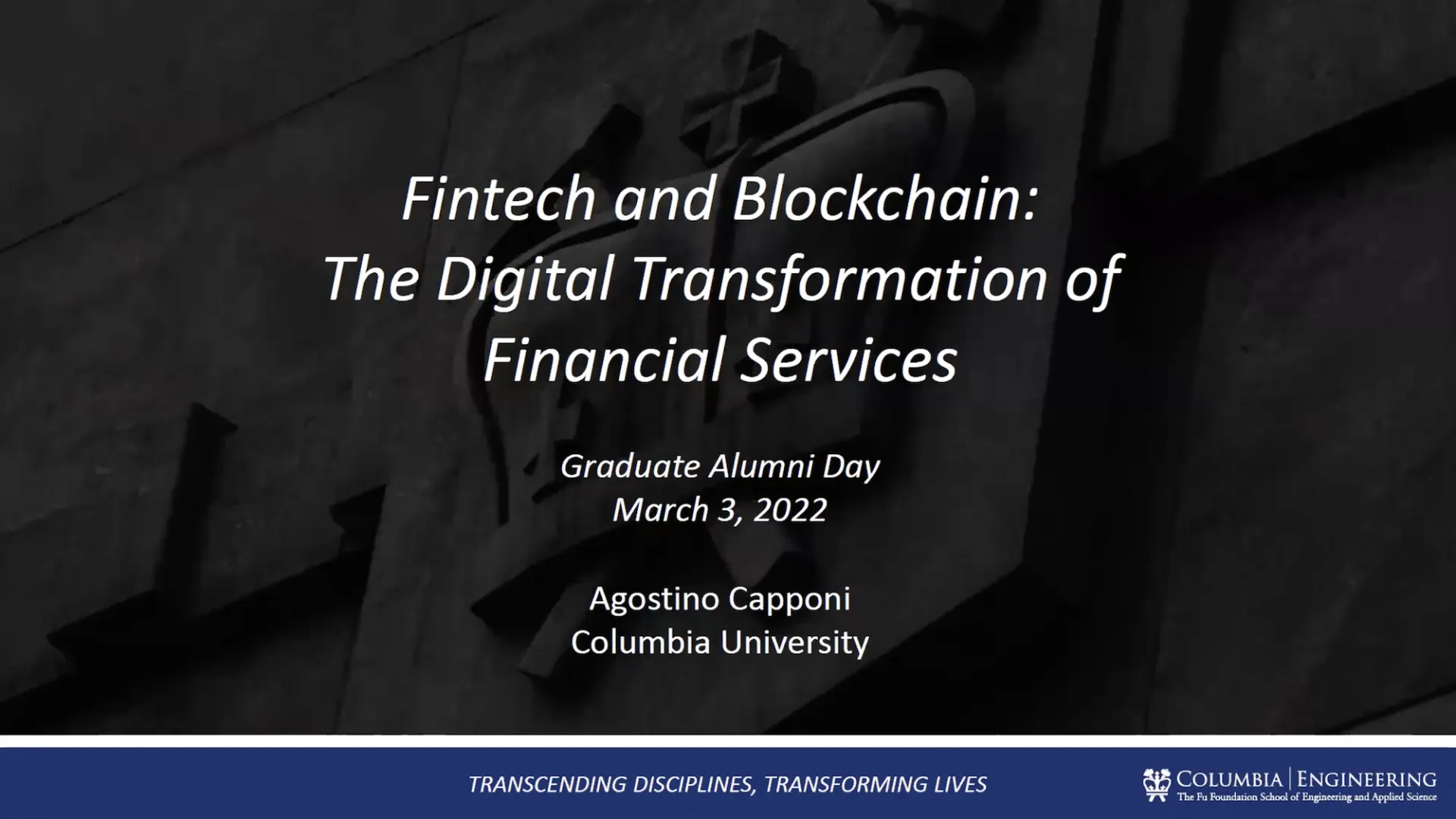
Screenshot of fintech presentation

Overview of the digital transformation of financial services by Agostino Capponi. Slides available here.
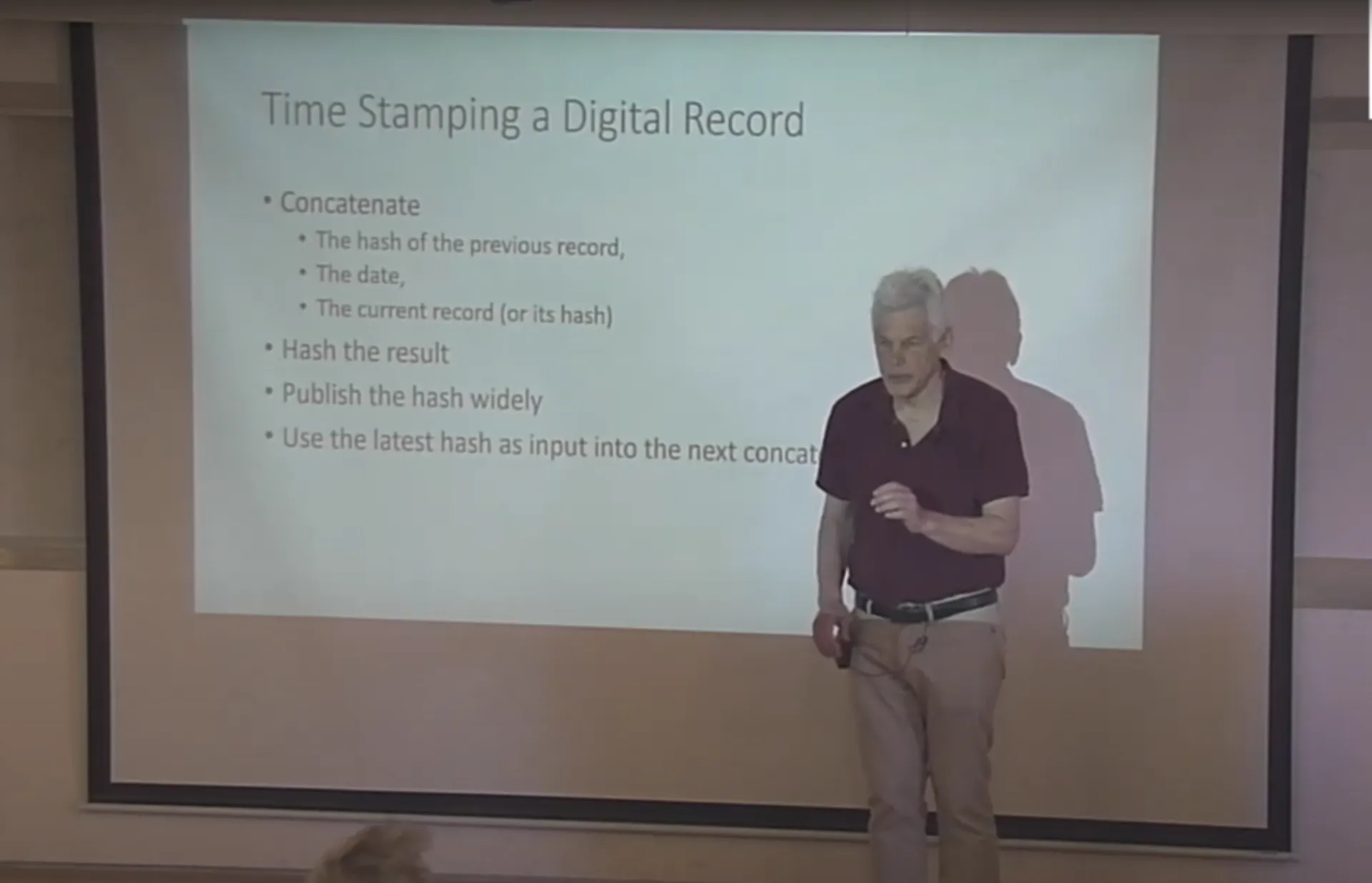
Screenshot of Gur Huberman presenting

An introduction to bitcoin and blockchain by Gur Huberman
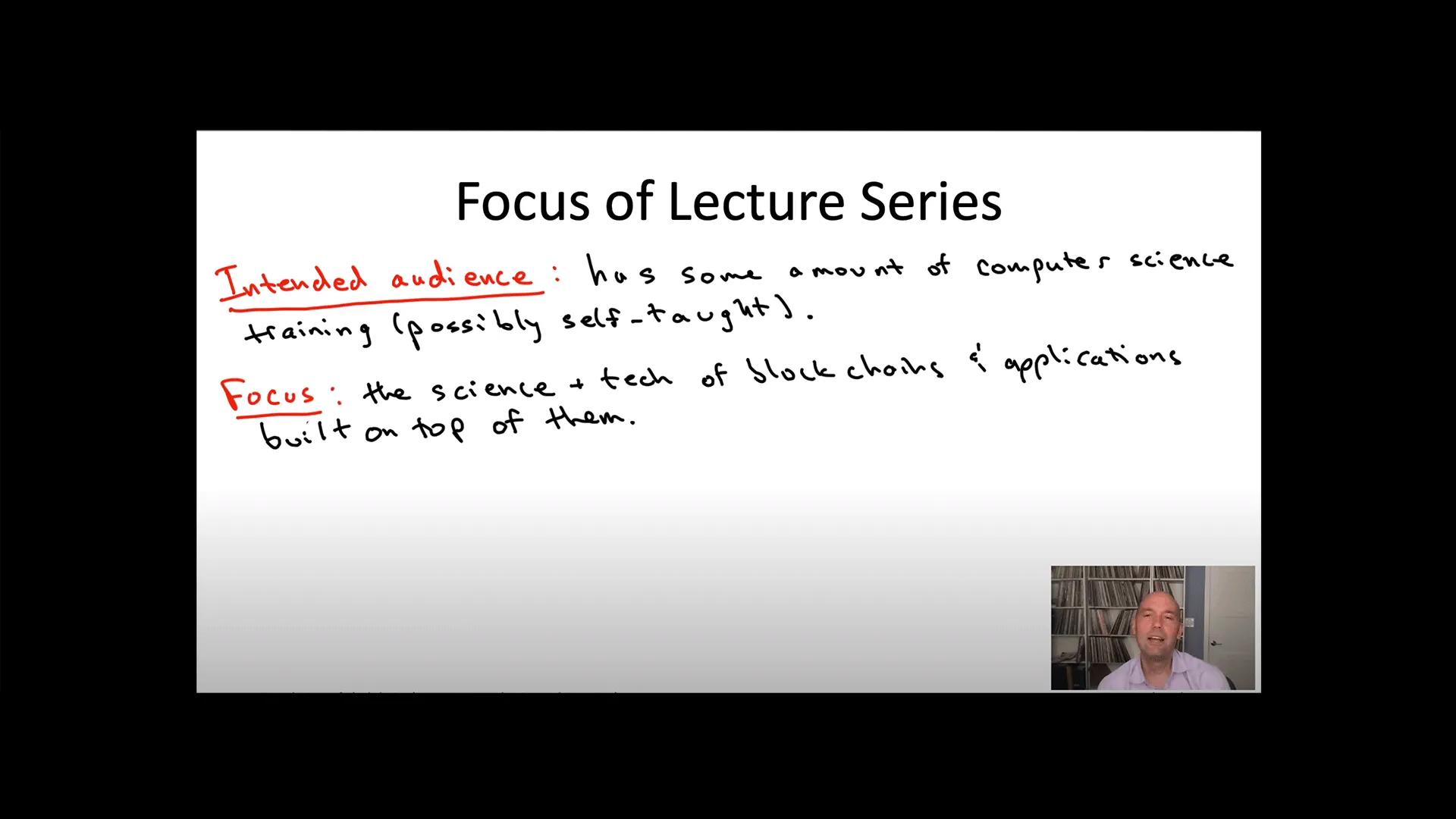
Screenshot of Blockchain presentation

Foundation of Blockchain Lecture Series by Tim Roughgarden
Ronghui Gu presenting

Introduction to Blockchain Security and Vulnerability by Ronghui Gu